Beginner's Guide to Reading Avalanche Bulletins for Non-Skiers
Avalanche bulletins aren't just for skiers. Here's how to read the danger rating, elevation bands, slope...

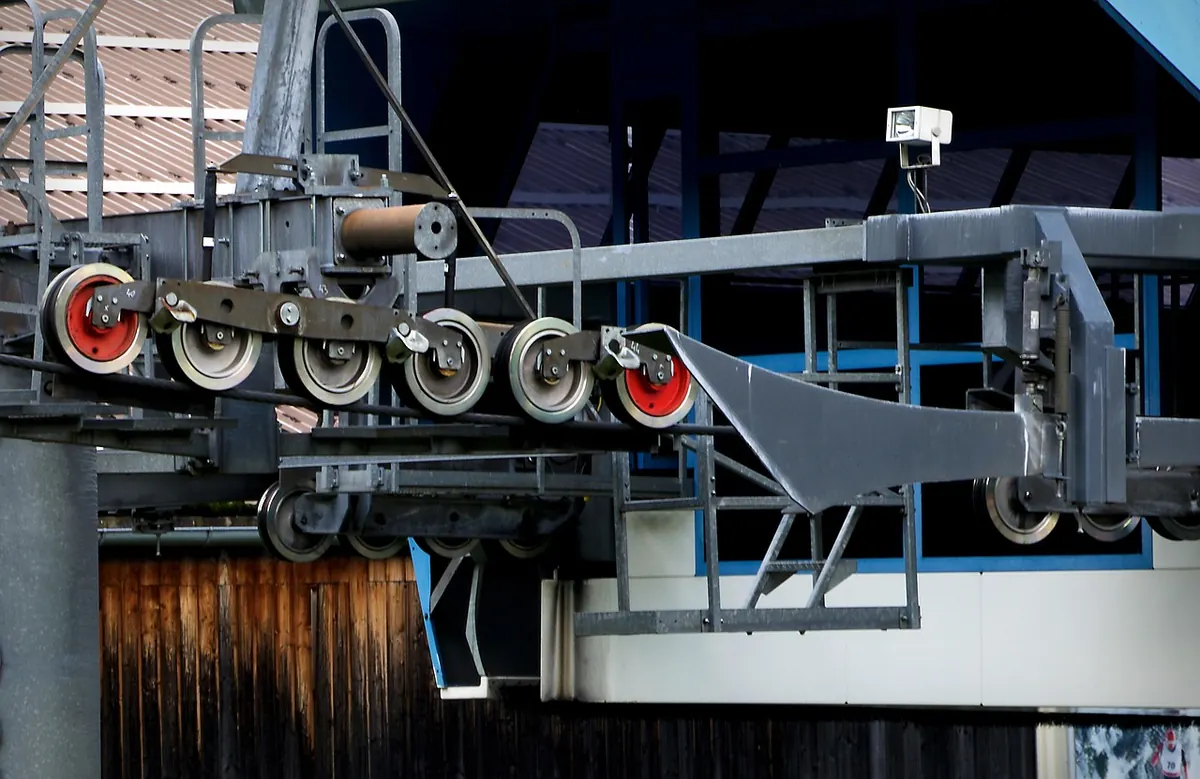
A three-day break sits in an awkward spot at the lift ticket window. It is too short to justify anything as committed as a season pass, and too long to shrug off the cost of buying a day ticket three mornings in a row. Between those two extremes sit multi-day passes, local valley passes and regional passes, and on a short trip the differences between them matter far more than they do over a fortnight. Choosing well rarely comes down to whoever has the biggest terrain map. It comes down to a handful of practical questions about your days, your base and the people you are travelling with.
Before comparing anything, count the days you will actually ski. A "four-day trip" that starts with an evening arrival and ends with a mid-morning drive home is usually two and a half ski days, not four. Be honest about the arrival afternoon, the departure morning, the long lunch, the afternoon someone wants to sit out.
Then ask whether everyone in the group will ski the same days. A non-skiing partner, a friend taking a two-day beginner course, a teenager who would rather snowboard for one afternoon than four mornings — all of these change which ticket makes sense. Buying a four-day pass for someone who will use two is the most common way short-break money gets wasted.
Finally, look at where you are sleeping. A chalet at the base of the lifts and a guesthouse in a valley town twenty minutes away by bus lead to different answers. In the first case you will ski from the door every day. In the second, moving between resorts is easy and may be worth paying for.
Day passes make sense for one to three ski days, for mixed-ability groups, and for anyone who wants to keep their options open. They are also the right choice when the weather is unsettled and you would rather decide each morning whether to ski or take the train to the next town.
The cost per ski day is at its highest here, but there are ways to soften it. Many resorts sell online in advance at a lower rate than the window price, and the difference is often enough to cover a coffee and a soup. Half-day and afternoon tickets exist at plenty of mountains and are usually sold from midday; if you are arriving at eleven in the morning, ask before you buy a full day. Watch for dynamic pricing too — the same pass can cost different amounts on different dates, so buy the evening before rather than at the counter.
For a break of three to six days, a multi-day pass is normally where the value sits. The saving per day grows with each day added, and you skip the morning queue at the ticket window.
The detail that catches people out is what "multi-day" actually means at the resort you have chosen. There are two common models:
Check the validity window carefully. Some passes start on the first day you use them; others have fixed calendar dates printed on them, so a pass bought for a Saturday start is worthless if your flight is cancelled. Also confirm whether the pass covers the arrival and departure days, since many resorts offer a cheaper "ski the afternoon you arrive" upgrade once you are already holding a multi-day ticket.
A local pass covers one mountain, or a small cluster of lifts sharing a single valley. If you are staying in one village, skiing with children or beginners, and have no intention of driving anywhere, this is often the cheapest sensible option — and on a short break you will not run out of terrain as quickly as you might fear.
Look at what it includes rather than what it covers. Beginner areas and nursery slopes are sometimes free or ticketed separately, which is good news for a family with one first-timer. Village buses and the lift up to the toboggan run may or may not be part of the deal. Some accommodation providers sell local passes at the reception desk, which saves a queue and occasionally a little money.
Regional passes link a dozen or several dozen resorts, often with local trains and buses thrown in. They are genuinely useful in areas where valleys sit side by side and snow conditions vary — a storm on one side of a ridge, sunshine on the other.
On a short break, though, the maths is unforgiving. Every hour spent travelling between resorts is an hour not spent skiing, and a regional pass only pays back if you use it across several areas rather than treating it as an expensive local pass. If you are based in a town with three mountains within fifteen minutes, a regional pass can be excellent value. If your accommodation is fifty metres from a chairlift, it usually is not.
The small print is where short-break budgets quietly go wrong. Before you commit, work through this list:
Prices, discounts and conditions change from season to season and from resort to resort, so confirm the current terms on the resort's own website or at the ticket office before you commit real money to a pass.
If you are skiing two or three days from one base, buy day passes online the night before, or a flexible multi-day pass if the forecast is mixed. If you are staying a week and plan to ski six of those days, a consecutive multi-day pass will almost always be the cheapest route. If you are based in a valley town with several resorts on the same ticket, price the regional pass against the local one and be honest about whether you will really move.
And do the sums once, at home, before you go: days skiing, multiplied by the day-pass rate, compared against the multi-day price. It takes five minutes and it is the difference between spending your holiday budget on lifts and spending it on the things that make a short break memorable.
Photo: PIRO4D / Pixabay
Avalanche bulletins aren't just for skiers. Here's how to read the danger rating, elevation bands, slope...
Early-season snow reshapes Alpine village life fast — road crews, seasonal jobs, water reserves and old...
A practical guide to picking winter boots for icy, slushy alpine village streets — grip, insulation,...