Beginner's Guide to Reading Avalanche Bulletins for Non-Skiers
Avalanche bulletins aren't just for skiers. Here's how to read the danger rating, elevation bands, slope...

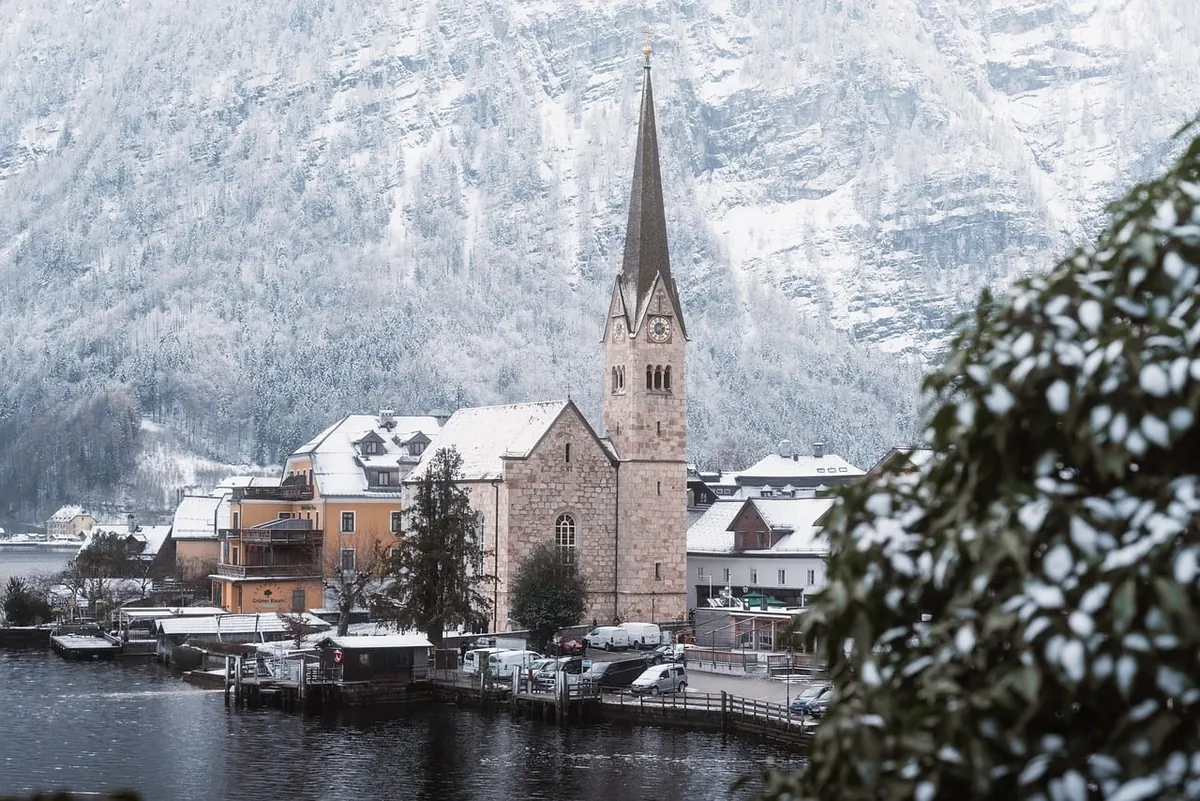
Snow rarely arrives on a schedule in the Alps. Some years the first proper fall lands in mid-November, dusts the larches and is gone by lunchtime. Other years it comes in one heavy night and the village wakes up to a different calendar. By the time the coffee is poured, everyone already has an opinion about it.
For a visitor, early snow is scenery. For the people who live here, it is a set of small decisions that must be made quickly: which roads get cleared first, which jobs begin now rather than in three weeks, what the winter will ask of the water supply, and whether the village is genuinely ready or merely hopeful. These are the things worth watching in the first weeks.
An early snowfall compresses the calendar. Work that normally spreads across late November — stacking wood, fitting snow poles along the road edge, hanging the shutters, servicing the boiler — suddenly has a deadline attached to it. The garden furniture that could wait another fortnight is now under thirty centimetres of wet snow.
You notice it first in the small routines. The bakery opens to a queue of people buying more than usual, because nobody wants to drive down the valley twice in one day. The hardware shop sells out of shovels and grit before the schools open. Neighbours who have not spoken since August are suddenly on the phone asking whether the plow has been past their lane yet.
There is also a mood shift. An early dump raises expectations, and expectations are dangerous in a ski village. One good week in November does not promise a good February, and locals know it. What they look at instead is the ground: whether it was frozen before the snow fell, whether the snow is settling or sliding off roofs, and whether the forecast has that soft, mild look that means rain at 1,500 metres by Thursday.
Snow clearing is not random. Most communes work to a priority order that is decided long before the first storm, and knowing it explains why your lane is still white at nine in the morning while the main road is already black.
The snow poles matter more than they look. Those red-and-white stakes mark the edge of the carriageway for a plow driver working in poor visibility, and where they are missing, the blade finds walls, hedges and parked cars instead. If you rent a house, ask where the poles are and don't move them.
Two practical habits save a lot of trouble. Park off the road before a forecasted dump, not during it, and never on the verge where the plow pushes snow. And keep a shovel and a bucket of grit by the door — not because the commune won't come, but because it may come at six and you may want to leave at seven.
Fit winter tyres before the first snow rather than after. Rules on chains and winter equipment differ by country and by road, and mountain passes can be closed at short notice, so check local signage rather than relying on what you did last year.
Lift operators, groomers, ski instructors, kitchen staff, housekeepers, ski rental technicians: a large share of village income depends on people arriving for a season that has a fixed start date on paper and a flexible one in reality. Early snow pulls that start forward.
In a good year, the grooming team is out on the hill at night, snowmaking crews work the cold windows, and the lifts are tested earlier than planned. The upside is obvious. The strain is less visible: staff housing fills up before the leases are signed, training gets squeezed into a week, and the first busy weekend can arrive before the restaurant has a full menu or a full team.
This is why a village with snow but no staff sometimes feels oddly quiet. If you run a business here, the lesson of an early season is unglamorous: have your winter crew's start dates ready to move, and keep a short opening menu in reserve for the weekend the snow comes before the staff do.
Snowpack is the village's slow-release reservoir. Springs, wells and small reservoirs are recharged through the melt season, and a solid early base at altitude is generally welcome news for the summer that follows — though it is only one deposit in an account that a warm spring or a dry March can draw down quickly.
Early snow is not automatically useful snow. If it falls on ground that is still warm, a good part of it melts into the streams within days. Wind can move it off exposed slopes entirely, and a mild spell in December can undo a promising November.
There is a quieter benefit, too. Snow cover insulates the ground, keeping frost shallow and protecting buried pipes and plant roots from the hardest cold. Anyone who has spent a January repairing a frozen line under a bare field appreciates what thirty centimetres of settled snow is actually doing.
The first heavy fall is an honest inspection of every building in the village. Gutters either carry meltwater away from the walls or send it into the foundations. Roofs either shed snow or hold it. Chimneys either draw or smoke back into the kitchen.
What to check in the first week, whether you live here year-round or own a second home:
Early-season snow also deserves respect in the mountains. A first big storm on unfrozen ground can build awkward layers in the snowpack that persist for weeks, and the first sunny weekend tends to attract people who have not looked at a forecast since March. Read the local avalanche bulletin before going above the trees.
Snow before the lifts open is a strange gift: beautiful, and slightly useless. Villages fill with people who booked months ago, the pass road may or may not be open, and the lifts may run a limited service or none at all. Plan for the valley rather than the mountain.
Early snow is not a promise about the season. It is a rehearsal — for the plow drivers, the crews, the shops and everyone who lives here. Villages that use it well tend to have a calmer winter, whatever the weather decides to do next.
Photo: ahmetyuksek / Pixabay
Avalanche bulletins aren't just for skiers. Here's how to read the danger rating, elevation bands, slope...
A practical guide to picking winter boots for icy, slushy alpine village streets — grip, insulation,...
A first-person account of reaching an Alpine refuge as snow closes in, from the boot room and communal...