Beginner's Guide to Reading Avalanche Bulletins for Non-Skiers
Avalanche bulletins aren't just for skiers. Here's how to read the danger rating, elevation bands, slope...


A week in the Alps means living in two climates at once: the dry, over-warm air of a hotel room or a crowded gondola, and the sharp, bright cold of a ridge at 2,500 metres. Most packing mistakes come from preparing for only one of them. Pack as though every day involves a warm start, a cold middle and a wet finish, and the week mostly takes care of itself.
What follows is a workable checklist rather than a gear catalogue. You do not need much. But what you do bring should be reliable, and a few things should exist twice.
The jacket is the least interesting piece of clothing in your bag. It sits on top of a system, and the system is what keeps you warm. Get the three layers right and a mid-range shell will outperform an expensive one worn over a cotton T-shirt.
Merino wool or a synthetic blend, close to the skin, long sleeves. Leave cotton at home — it holds sweat against your body and turns cold the moment you stop moving. Two or three base layers cover a week if you rinse them in the evening; they dry overnight in a warm room.
Bring two. A thin fleece for skiing, and a warmer synthetic or down jacket for standing around, chairlifts and the walk back from the lifts. That warmer jacket is the one item worth spending on, because you will wear it every evening.
A waterproof, windproof shell with taped seams, a hood that fits over a helmet and pit zips for the climb out of the village. Ski trousers with a sensible waterproof rating — or bibs if you feel the cold or spend time sitting on snow. One pair is enough for a week of resort skiing.
Cold hands end more ski days early than bad technique. The fix is rarely a more expensive glove. It is a second pair.
You will carry the same bag every day, so keep it small and pack it the same way each morning. Fifteen to twenty litres is plenty. Anything bigger becomes a temptation to carry things you never use.
If you are renting ski boots, arrive early enough to have the fit checked properly and bring the thin socks you will actually ski in. If you are bringing your own, bring only boots you have already skied in comfortably — a week is a bad time to break in new ones.
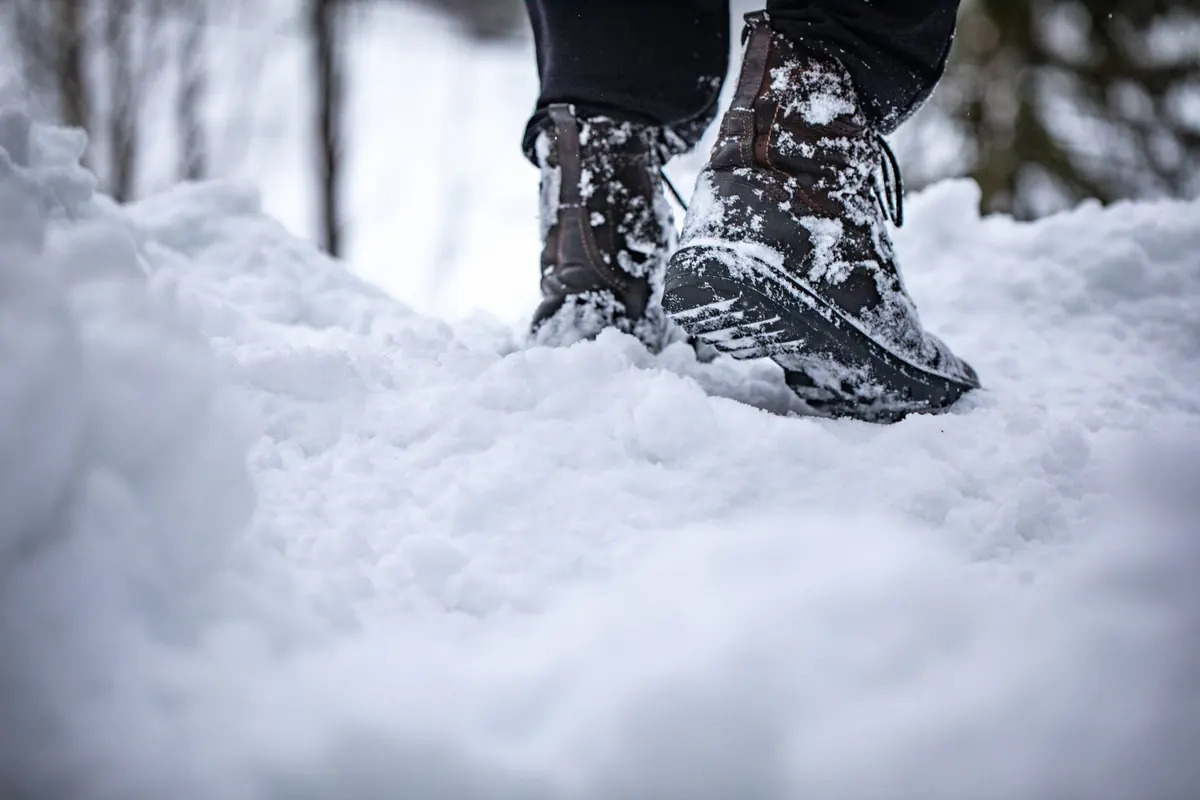
For everything off the snow, pack waterproof boots with a grippy sole. Alpine villages are icy in the morning and slushy by four in the afternoon, and trainers on packed snow are an accident waiting to happen. Add hotel slippers, swimwear if your hotel has a pool or sauna, one relaxed outfit for dinner, and a couple of pairs of wool socks for the room.
Check that your travel insurance explicitly covers winter sports. Many standard policies exclude skiing, and off-piste skiing usually needs an add-on. Carry the policy number and the emergency assistance line on paper as well as in your phone. Read the wording, and if you are unsure what a policy actually pays for, ask the insurer before you travel rather than after.
Assume your phone will be cold, flat or out of signal on the day you need it most. Paper weighs nothing.
Travel days are where good packing quietly pays off. Put one full change of clothes and your base layers in your carry-on, so a delayed bag does not cost you the first morning on the hill. Wear your bulkiest items on the plane or in the transfer minibus, and check the baggage allowance before you start rolling things up — charter flights and shared transfers are often stricter than they look.
Roll soft items rather than folding them, use a couple of packing cubes to keep base layers apart from everything else, and take a small bottle of washing liquid. Merino can be worn two or three times if it is aired properly between outings, which is usually enough to halve what you need to bring.
Lay everything out on the bed and pack in the same order: layers first, then boots and shoes, then the daypack, then documents on top where you can reach them. Charge the power bank, download offline maps, screenshot the lift opening times, and put the spare gloves in your jacket pocket now rather than remembering at 8am. Check the forecast once and add a single extra layer if the week looks colder than expected.
Then close the bag and stop. A week in the Alps is more enjoyable when the packing was slightly boring, done early, and finished the night before.
Photo: DanielaJakob / Pixabay
Avalanche bulletins aren't just for skiers. Here's how to read the danger rating, elevation bands, slope...
Early-season snow reshapes Alpine village life fast — road crews, seasonal jobs, water reserves and old...
A practical guide to picking winter boots for icy, slushy alpine village streets — grip, insulation,...